
Water Water Everywhere
I may have used this title before and may use it again during flooding, but this time it is based upon the Rime of the Ancient Mariner.
Water, water, every where,
And all the boards did shrink
It speaks of being abord a ship.
I have beeen abord just a few ships in my life (ships not boats). I mention that difference based upon the columbo episode where Columbo keeps calling a ship “a boat”. But I digress.
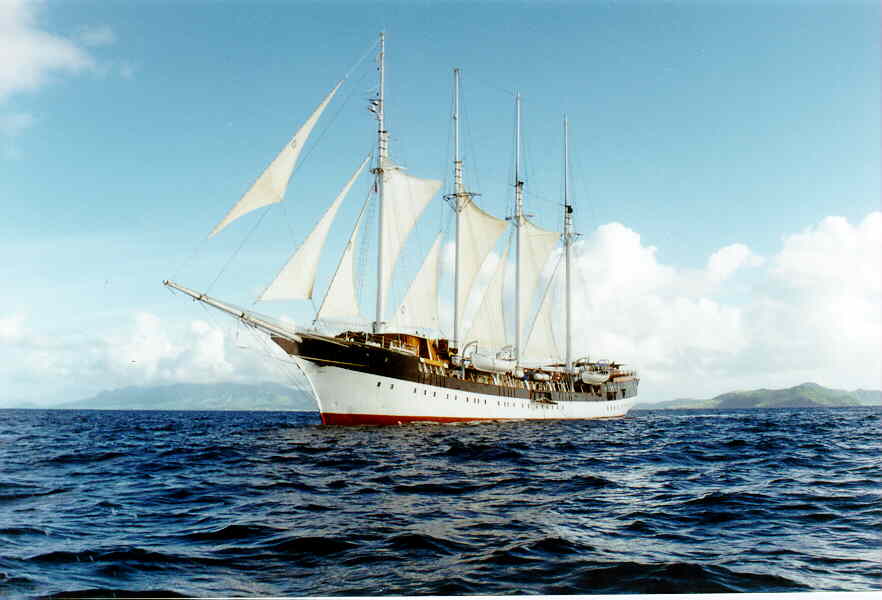
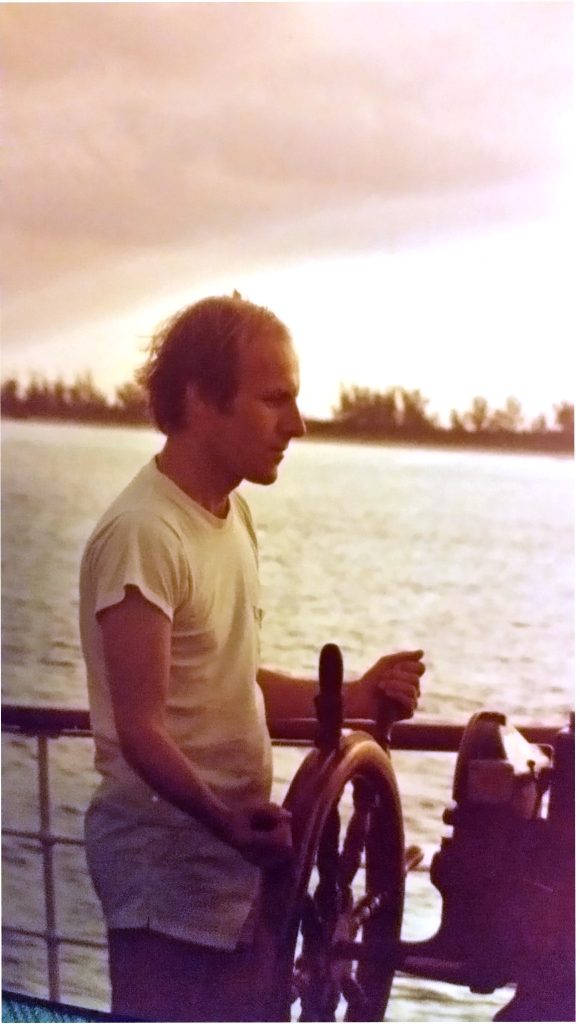
I have been on a dinner cruise down the Potomac and another in Kona, and I rode on the Cape May Ferry The only actual multi day cruise on a ship was the Fantome. It was a 4 maasted schooner sailing between Freeport and Nassau (or was it between Nassau and Freeport. In any event I had an opportunity to steer the ship a bit while under full sail and full diesel as we neared Bimini. I was watching the RADAR as the crewmember was nearby. It was night so I was really carefully watching the RADAR. I saw something odd and mentioned it to the crewmember. When he looked, he pushed me aside, grabbed the wheel and twisted it as though we were seconds away from disaster. A ship this size (282′ as I remember) takes a bit to change course mush like a Cadallic,. but we did change course and avoided the obstruction. It was explined to me that it was a small ship in the shipping lanes with no marker lights. They maay have been rum runners or drug runners.
I have ben on board another ship, but now while it was moving. The Hokulea here shown in Yorktown, Virginia. Montths earlier it had beeen within 3 miles or so of my farm in Hawaii.
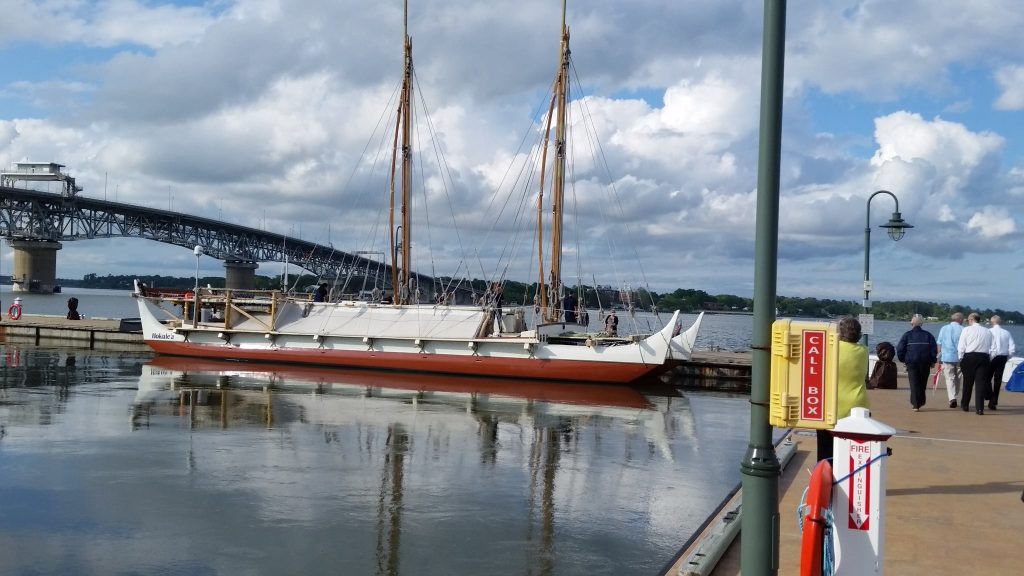
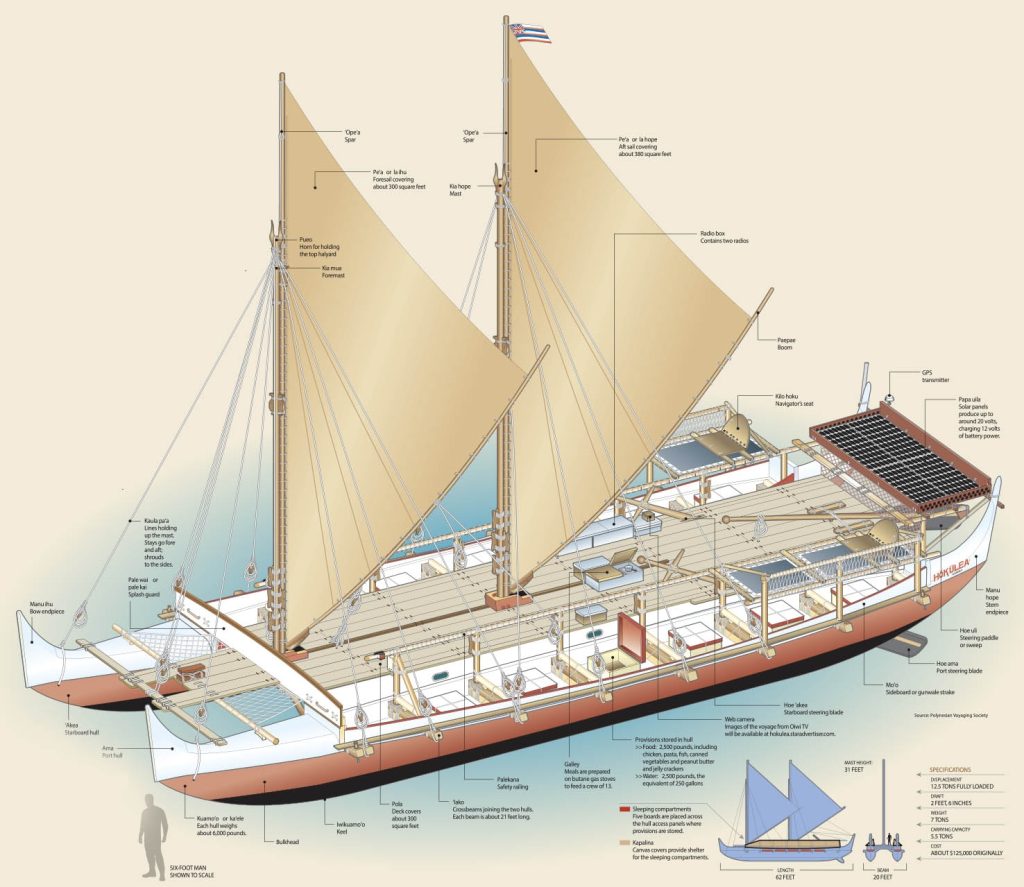
This ship sails around the world using the stars as its guide. It also proved that Thor Hyerdahls theory of how South America was populated was wrong. Thor Heyerdahl’s 1947 Kon-Tiki expedition proved that drifting from South America to Polynesia on a balsa raft was physically possible, but mainstream anthropology and modern genetics show he was wrong about his core migration theory: Polynesia was actually settled from Southeast Asia, not South America.
Finally, my neighbor and her husband did a bit of sailing as shown in the documentary “Following Seas” (https://www.youtube.com/watch?v=gT5sAv9GypY) showing her actual videos taken at the time, not a recreation.
Here is the AI version:
Following Seas (2016) follows Bob and Nancy Griffith and their three children, who spent roughly two decades making ocean voyages aboard their 53-foot cutter, Awahnee. Nancy filmed much of their life on 16mm, so the documentary is built around remarkable original footage from the 1960s and ’70s.
Some of the most memorable events and episodes include:
-
- Meeting and setting out: Bob Griffith arrived in Honolulu in 1960 and met Nancy Hirsch. They soon embraced an unconventional life centered on sailing, eventually taking their growing family to sea.
Raising children aboard ship: Their three children grew up experiencing an extraordinary childhood at sea rather than a conventional life on land. The film emphasizes that the freedom came with real sacrifices and difficulties for the family.
Long-distance exploration: The Griffiths made 20 ocean voyages over about two decades, visiting remote parts of the world from Antarctica to Polynesia. Their voyages included multiple trips around the globe.
Following the routes of earlier explorers: Some of their journeys followed paths associated with Captain James Cook, while others were simply driven by their desire to see where they could go.
Danger and mishaps: The family encountered genuinely frightening situations rather than simply having idyllic sailing adventures. Accounts of the documentary mention such episodes as being accused of espionage, crashing on a reef, and losing their engine.
Improvising to survive: Their adventures sometimes required extraordinary ingenuity. One particularly unusual episode involved building another vessel out of concrete.
Unexpected encounters: The family came across an abandoned stockpile of food and had encounters with Russians, adding a geopolitical/adventure dimension to their travels.
The cost of freedom: One of the documentary’s central ideas is that their seemingly romantic life wasn’t easy. They deliberately rejected bosses, rent, and conventional expectations, but maintaining that independence required considerable risk, work, and sacrifices from both the adults and children.
What makes the film particularly interesting is that these aren’t modern reenactments. Nancy actually filmed the family’s voyages herself, and the filmmakers later built the documentary around that archival material and interviews with the Griffith family.
I hope that this isof interest to you.